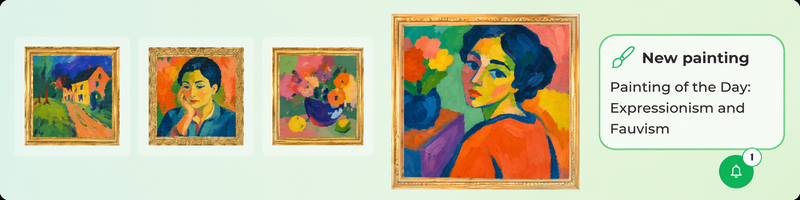

Discover the vivid colors, emotional intensity, and expressive freedom of Expressionism and Fauvism, one remarkable painting at a time.
Each lesson introduces one painting, explores the feelings and ideas it expresses, reveals the history behind it, highlights important visual details, and explains why the work matters.
Sample full lesson from this feed:
----------------------------------------------
Carcass of Beef
The Visceral Impact
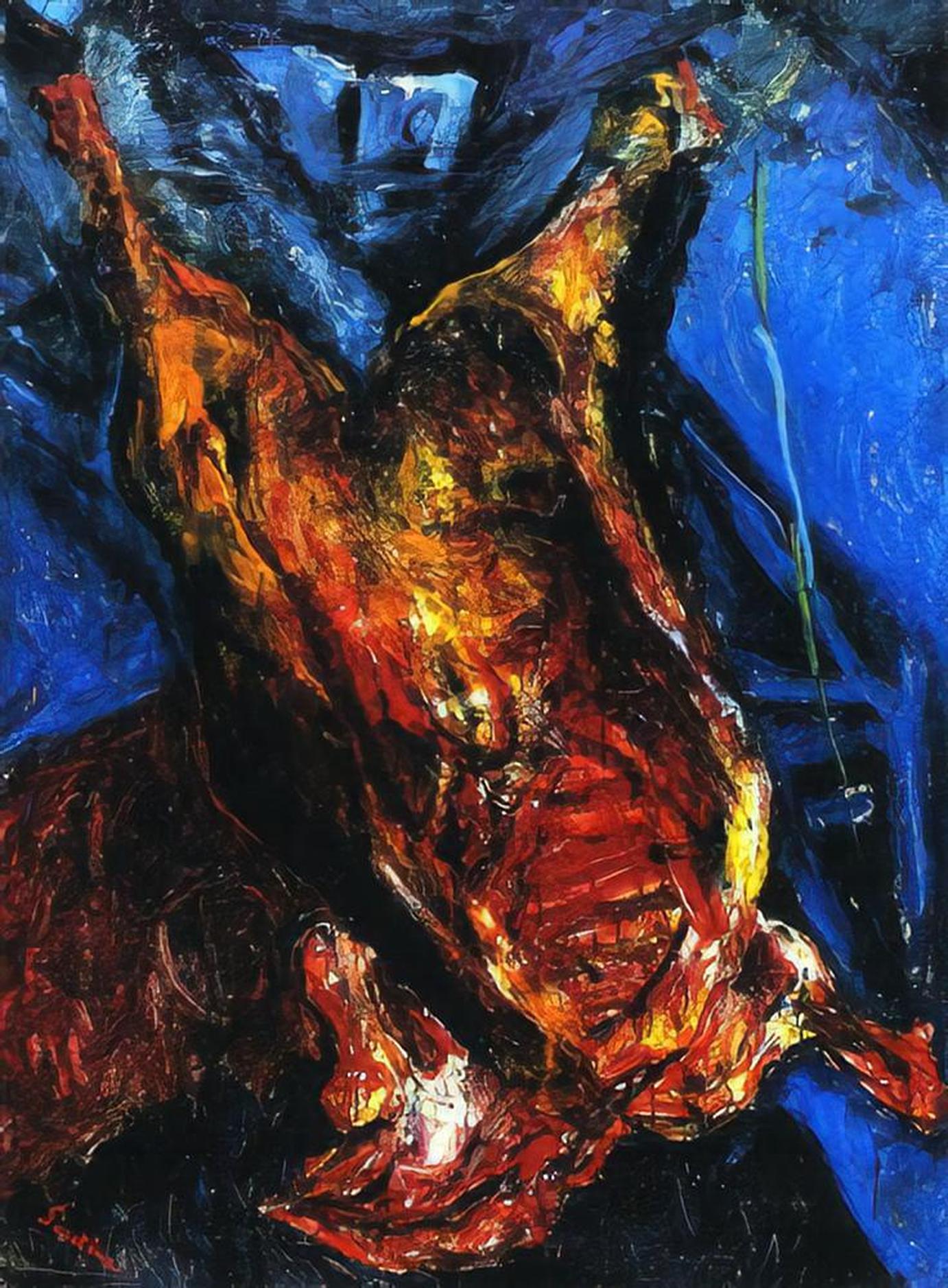
Chaïm Soutine does not just paint a subject; he attacks the canvas. In Carcass of Beef, the immediate impression is one of raw, pulsating energy. The subject is death and decay, yet the vibrant, swirling application of paint makes the flayed meat appear almost alive, radiating heat against the cool, shocking blue background.
The Story It Tells
This painting is part of a famous series inspired by Rembrandt's The Slaughtered Ox. Soutine was notoriously obsessed with capturing the exact hues of raw flesh. According to well-documented accounts, he hauled a massive beef carcass into his Paris studio, keeping it there for days. As it began to rot, he supposedly hired assistants to fan away the flies and poured fresh blood over the meat to revive its vivid red colors, horrifying his neighbors but resulting in this fiercely observed masterpiece.
The History It Hides
Soutine was a key figure in the School of Paris, a loosely affiliated group of expatriate artists working in France between the World Wars. Unlike the intellectual geometry of Cubism that was popular at the time, Soutine's work was deeply emotional, instinctive, and rooted in Expressionism. His violently expressive brushwork is often interpreted as a reflection of his turbulent inner life and the hardships he endured after fleeing poverty in Eastern Europe.
Look Closer
The colors: Notice the brilliant, vibrating contrast between the deep, cold blues of the background and the fiery reds, yellows, and oranges of the flesh.
The impasto: Soutine builds up the surface with thick, heavy layers of paint, making the physical texture of the artwork mimic the weighty, physical presence of the meat.
The movement: Follow the twisting, diagonal lines of the carcass. The painting feels unstable, as if the subject is still writhing.
Why It Matters
Carcass of Beef is a masterclass in pushing the boundaries of what can be considered beautiful. It challenges the viewer to find profound aesthetic power and vitality in a subject traditionally considered grotesque. Soutine teaches us that in painting, the emotional force of the brushstroke can triumph over the macabre reality of the subject.
----------------------------------------------
Follow this feed now to discover and understand one remarkable Expressionist or Fauvist painting every day!
Similar feeds are available for Abstract Art, Art Nouveau, Baroque, Color Field Painting, Cubism, Impressionism and Post-Impressionism, Minimalism, Pop Art, Realism, Renaissance, Romanticism and Symbolism.